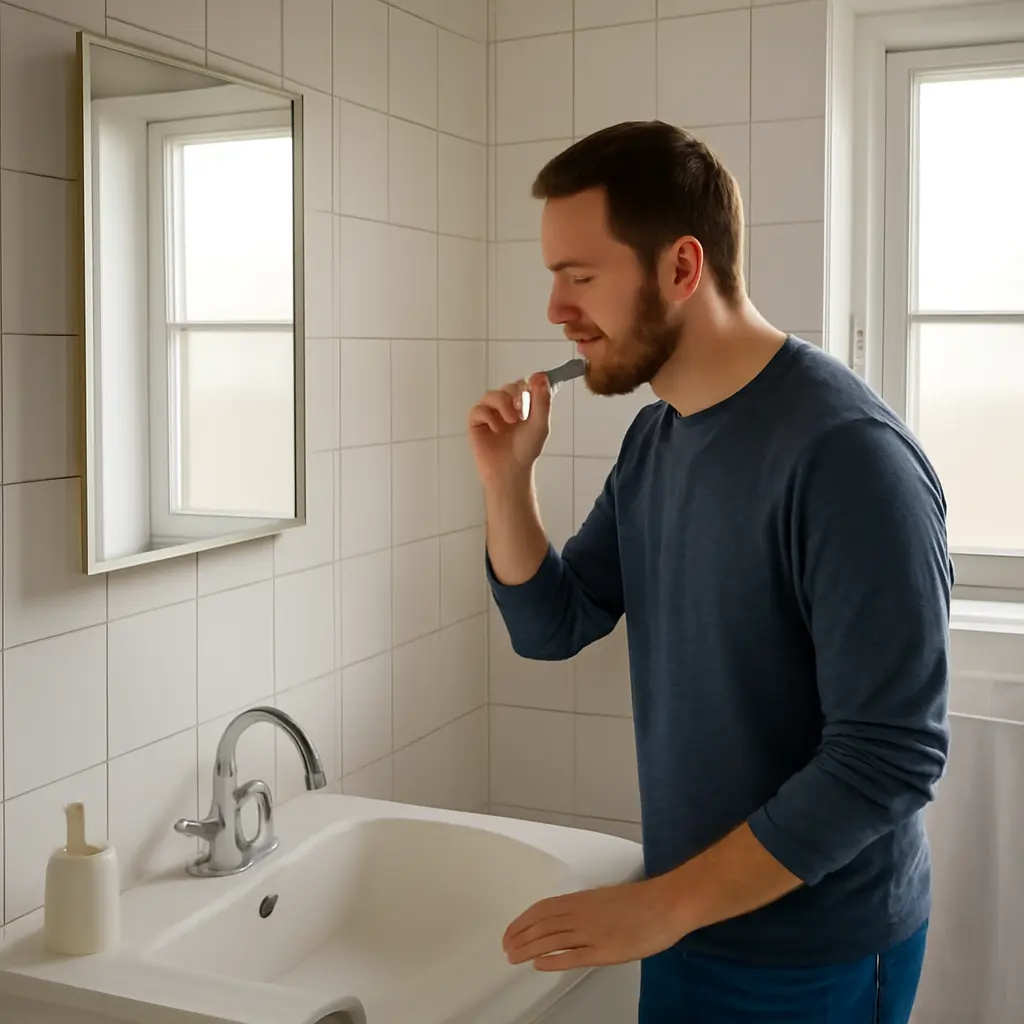
“Instant whitening” toothpaste can make teeth look brighter right away by removing or masking surface stains, but it cannot instantly change the natural color of teeth. The American Dental Association (ADA) distinguishes stain-removing whitening toothpastes from bleaching products: most whitening toothpastes rely on polishing ingredients, while bleaching products use peroxide to alter tooth color. So the promise is partly legitimate—but “instant” usually describes a temporary appearance effect, not a rapid, lasting change in tooth shade.
How Instant Whitening Toothpaste Works
Whitening toothpaste is a toothpaste marketed to make teeth appear lighter by cleaning stains, using optical effects, or—in some formulations—delivering a small amount of bleaching agent. The ADA explains that whitening toothpastes primarily remove extrinsic stains, which sit on the tooth surface, rather than changing the intrinsic color within the tooth. The distinction matters: coffee, tea, tobacco, and some foods can leave surface discoloration, while aging, injury, and certain medications can affect color inside the tooth.
Surface-stain removal
Abrasives such as hydrated silica or calcium carbonate help scrub away surface stains during brushing. This can make teeth look cleaner after a single use, especially when discoloration is mostly on the enamel surface. It does not mean the toothpaste has bleached the tooth. The ADA notes that many whitening toothpastes contain polishing or chemical agents that help remove stains, but they generally do not change the intrinsic shade of teeth as peroxide bleaching can.
Optical “instant” effects
Some products use blue covarine or similar optical ingredients that leave a thin film on the enamel and shift reflected light, making teeth appear less yellow for a short time. A clinical study published in the Journal of Dentistry found that a blue-covarine toothpaste produced an immediate improvement in perceived tooth whiteness after one brushing, but the effect was optical rather than a lasting bleach. Saliva and normal eating and drinking gradually remove the film.
Peroxide-containing toothpaste
Hydrogen peroxide and carbamide peroxide are bleaching agents: they can break down colored compounds in enamel and dentin. However, toothpaste usually remains in contact with teeth for only about two minutes per brushing, limiting its bleaching opportunity. In contrast, whitening strips or dentist-supervised trays are designed to keep a bleaching agent on teeth for longer. The ADA’s consumer guidance notes that whitening toothpastes can remove surface stains but typically produce more modest changes than peroxide-based bleaching treatments.
What “Instant Whitening” Can—and Cannot—Promise
The word “instant” may refer to a visible surface-cleaning or optical effect, not a permanent color transformation. The U.S. Federal Trade Commission’s advertising principles require marketing claims to be truthful and supported by evidence; consumers should therefore look for what a product specifically promises, how quickly, and for how long.
A quick improvement in appearance
If the discoloration is surface staining, a whitening toothpaste may make teeth look brighter after brushing by removing some residue. An optical-effect formula may produce a more immediate but temporary change in appearance. Results vary with stain type, product formulation, brushing technique, and the starting shade of the teeth.
No reliable instant change to natural tooth color
A toothpaste cannot reliably turn naturally darker teeth several shades lighter in one brushing. Intrinsic discoloration may be related to aging, trauma, dental restorations, or medication exposure; surface polishing cannot address all of these causes. The ADA recommends consulting a dentist when discoloration is persistent, uneven, or unexplained, since the right treatment depends on its cause.
Results are not necessarily permanent
Surface stains can return as teeth are exposed to coffee, tea, red wine, tobacco, and other staining sources. Optical coatings are temporary by design, and bleaching results can also fade over time. Whitening toothpaste is therefore better understood as routine stain management than as a one-time whitening treatment.
Safety, Evidence, and Choosing a Product
A whitening claim does not automatically mean a product is unsafe, but ingredient strength and brushing habits matter. The ADA Seal of Acceptance indicates that a product has met ADA requirements for safety and effectiveness in its stated category; it is useful evidence, though it does not guarantee a dramatic or instant cosmetic result.
Abrasivity and enamel
Abrasives help remove stains, but aggressive brushing or an unsuitable product can contribute to wear, particularly around exposed roots or already-eroded enamel. The ADA advises brushing twice daily with a soft-bristled brush and fluoride toothpaste. Choose a product intended for regular use, follow its directions, and avoid pressing hard to speed up whitening.
Sensitivity and gum irritation
Peroxide whitening can cause temporary tooth sensitivity or gum irritation. The ADA recommends following product instructions and stopping or seeking dental advice if symptoms are significant or persistent. People with cavities, gum disease, exposed roots, crowns, veneers, or fillings should ask a dentist before whitening: natural teeth may lighten, but dental restorations do not bleach in the same way.
How to assess a whitening claim
Before buying, check whether the product relies on abrasives, peroxide, or optical pigments; distinguish “removes surface stains” from “bleaches”; and look for clear directions and evidence supporting the stated result. Avoid products that promise dramatic permanent whitening after one brushing. For more substantial shade changes, a dentist can assess the cause of discoloration and discuss professionally supervised options.
Conclusion: Is Instant Whitening Toothpaste Legit?
Yes, but only in a limited sense. Instant whitening toothpaste can quickly remove some surface stains or create a temporary optical brightening effect. It generally cannot bleach intrinsic tooth color dramatically in one use, and any visible improvement may fade or require continued stain control. Read the ingredient and claim details, brush gently with fluoride toothpaste, and consult a dentist about persistent discoloration or sensitivity. For evidence-based guidance, review the ADA’s whitening information and ask a dental professional which option fits your teeth and restorations.
Sources: American Dental Association, Whitening, https://www.ada.org/resources/ada-library/oral-health-topics/whitening; Joiner A., “Whitening toothpastes: a review of the literature,” Journal of Dentistry, 2010, https://doi.org/10.1016/j.jdent.2010.05.017; American Dental Association, Toothbrushes, https://www.ada.org/resources/ada-library/oral-health-topics/toothbrushes; U.S. Federal Trade Commission, Health Products Compliance Guidance, https://www.ftc.gov/business-guidance/resources/health-products-compliance-guidance.