
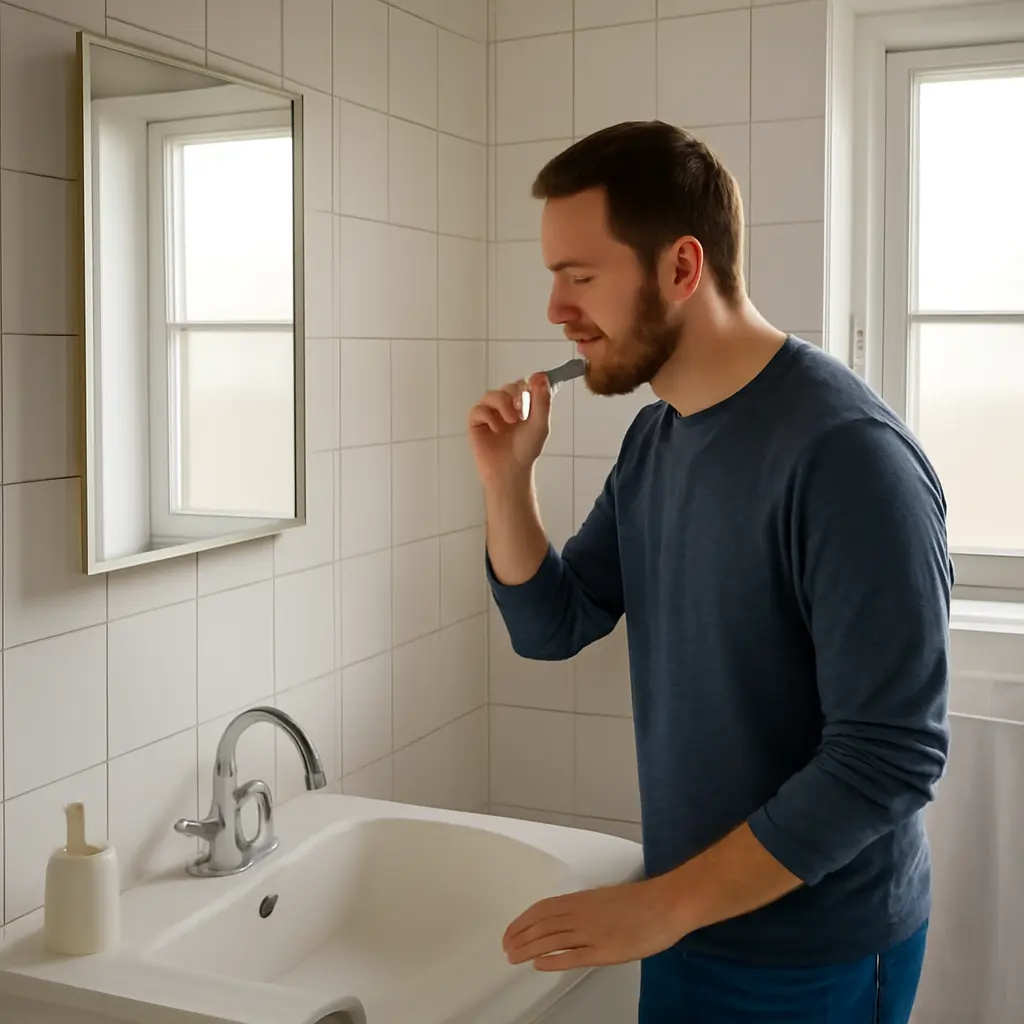
Tooth whitening lightens stains on natural teeth, but the result is not permanent: everyday habits and inconsistent aftercare can make teeth look darker again. The American Dental Association (ADA) notes that whitening outcomes and duration vary with the method and the person, while surface stains can return with exposure to strongly colored foods and drinks. Common maintenance mistakes include frequent coffee or tea without rinsing, tobacco use, poor plaque control, overusing whitening products, and overlooking dental problems that mimic discoloration. Understanding how these habits affect teeth—and choosing safe, practical maintenance—can help protect results without damaging enamel or gums.
Whitening maintenance mistakes that reverse whitening progress
Whitening maintenance means the habits and dental care used after treatment to preserve a lighter appearance. It does not stop the natural aging of teeth or prevent every new stain. The ADA distinguishes between extrinsic stains, which form on the tooth surface, and intrinsic discoloration, which occurs within the tooth; whitening products are not equally effective for every cause. That distinction matters because repeating a whitening treatment cannot reliably correct a crown, filling, decay, or discoloration caused by tooth injury.
Expecting whitening to be permanent
Whitening is a cosmetic change, not a permanent shield against pigments. Coffee, tea, red wine, and tobacco can contribute to surface staining, while age-related changes may make teeth appear yellower over time. Results vary according to starting shade, the whitening product, treatment duration, and personal habits. A realistic maintenance plan therefore focuses on limiting avoidable staining and following product or dentist instructions—not on keeping teeth at one shade forever.
Frequent exposure to staining foods and drinks
Chromogens are colored compounds that can adhere to tooth surfaces and contribute to extrinsic stains. Coffee, tea, red wine, and deeply colored foods are common examples. You do not necessarily need to eliminate them: having them less frequently, avoiding prolonged sipping, and drinking water afterward can reduce repeated pigment contact. Rinsing with water is a simple step, but it does not replace brushing with fluoride toothpaste or regular dental care.
Smoking or using other tobacco products
Tobacco can stain teeth and is harmful to oral health beyond appearance. The U.S. Centers for Disease Control and Prevention reports that smoking increases the risk of gum disease and oral cancers. Whitening does not address those risks, and repeatedly bleaching over tobacco stains is not a substitute for quitting. A dental professional or smoking-cessation service can help with evidence-based support.
Oral-care habits that undermine whitening results
Stain control is only one part of maintenance. Plaque, tartar, and gum inflammation can affect how clean and bright a smile looks, while abrasive or excessive cleaning can cause harm. The ADA recommends brushing twice daily with fluoride toothpaste and cleaning between teeth daily. These routine measures support oral health, although they do not make natural tooth color permanently lighter.
Skipping brushing, flossing, and routine dental visits
Plaque is a sticky bacterial film that accumulates on teeth. If not removed, it can harden into tartar, which generally requires professional removal. Neglecting daily brushing and interdental cleaning allows buildup and may leave teeth looking dull or less clean. Regular dental examinations also help identify cavities, gum disease, and other issues before someone mistakes them for ordinary stains and attempts to bleach them.
Using abrasive products or brushing too aggressively
Aggressive brushing and abrasive products do not safely “scrub away” every kind of discoloration. They can irritate gums and contribute to wear, particularly when used with excessive pressure. Choose a soft-bristled toothbrush and fluoride toothpaste, and use gentle, thorough strokes. Whitening toothpaste may help remove some surface stains, but it does not change the underlying color of teeth in the same way as peroxide-based bleaching.
Ignoring sensitivity or gum irritation
Temporary tooth sensitivity and gum irritation can occur with whitening, especially when products are used too often or applied incorrectly. The ADA advises following product directions and consulting a dentist about whitening. Do not respond to sensitivity by increasing the dose, extending wear time, or layering products. Pause use and seek dental advice if discomfort is persistent, severe, or accompanied by gum changes.
Whitening-product mistakes that can damage teeth
Whitening products differ in active ingredients, concentration, and application method. Their risks also depend on a person’s dental health and whether the instructions are followed. The ADA emphasizes that dental assessment is important because restorations such as crowns and fillings do not whiten like natural teeth, and untreated problems may need care before cosmetic treatment.
Overusing strips, gels, trays, or whitening toothpaste
Using products more often or for longer than directed does not guarantee a better or longer-lasting shade. It can increase sensitivity and irritate soft tissues. Use one product according to its label or a dentist’s instructions, and avoid combining treatments unless a dental professional specifically recommends it. If results fade quickly, ask about the cause instead of repeatedly restarting a course.
Relying on unverified home remedies
DIY methods such as scrubbing with charcoal, lemon juice, or household mixtures may be ineffective or harmful. Acidic ingredients can erode enamel, and abrasive powders may wear tooth surfaces. The ADA advises caution with do-it-yourself whitening approaches because safety and effectiveness are not established in the same way as for properly used dental products. Choose products with clear directions and seek professional advice when unsure.
Treating crowns, fillings, and veneers as if they will whiten
Whitening agents change the color of natural tooth structure; they do not reliably lighten tooth-colored restorations. This can create uneven shades if natural teeth whiten while crowns, veneers, or fillings remain unchanged. Before treatment, discuss visible restorations with a dentist. If a restoration’s color no longer matches, the appropriate option may involve replacing or adjusting it—not applying more bleach.
A safer routine for maintaining a brighter smile
A practical routine balances stain prevention with long-term oral health. No single food restriction or whitening product can guarantee a lasting result; consistency and appropriate dental guidance matter more.
- Brush twice daily with fluoride toothpaste and a soft-bristled toothbrush.
- Clean between teeth daily and keep regular dental checkups and cleanings.
- After coffee, tea, or other staining drinks, drink or rinse with water; avoid prolonged sipping when possible.
- Follow whitening product directions exactly, and do not stack products or extend treatment without dental advice.
- Ask a dentist to assess new, localized, or persistent discoloration, especially if accompanied by pain or sensitivity.
- Discuss tobacco cessation and support options with a healthcare professional.
For a visual guide, a simple comparison chart could group common habits by likely effect: repeated dark-drink exposure and tobacco can increase surface staining; poor plaque control can affect cleanliness and oral health; and excessive bleaching can increase irritation without ensuring durable results. These are general patterns, not a prediction of exactly how long any individual’s whitening will last.
Conclusion: protect whitening progress without over-treating
Whitening maintenance mistakes include expecting permanent results, repeatedly exposing teeth to stain-causing substances, neglecting basic oral care, and overusing or improvising with whitening products. A safer approach is to maintain daily fluoride-based care, limit repeated pigment exposure where practical, and follow professional or product instructions. If a tooth changes color unexpectedly or whitening causes ongoing discomfort, consult a dentist rather than trying stronger treatments. For further guidance, review the ADA’s patient information on tooth whitening and discuss a maintenance plan tailored to your teeth and restorations.
Sources: American Dental Association, “Whitening,” https://www.ada.org/resources/ada-library/oral-health-topics/whitening; American Dental Association, “Toothbrushes,” https://www.ada.org/resources/ada-library/oral-health-topics/toothbrushes; American Dental Association, “Floss/Interdental Cleaners,” https://www.ada.org/resources/ada-library/oral-health-topics/floss; U.S. Centers for Disease Control and Prevention, “Smoking, Gum Disease, and Tooth Loss,” https://www.cdc.gov/tobacco/about/cigarettes-and-oral-health.html


