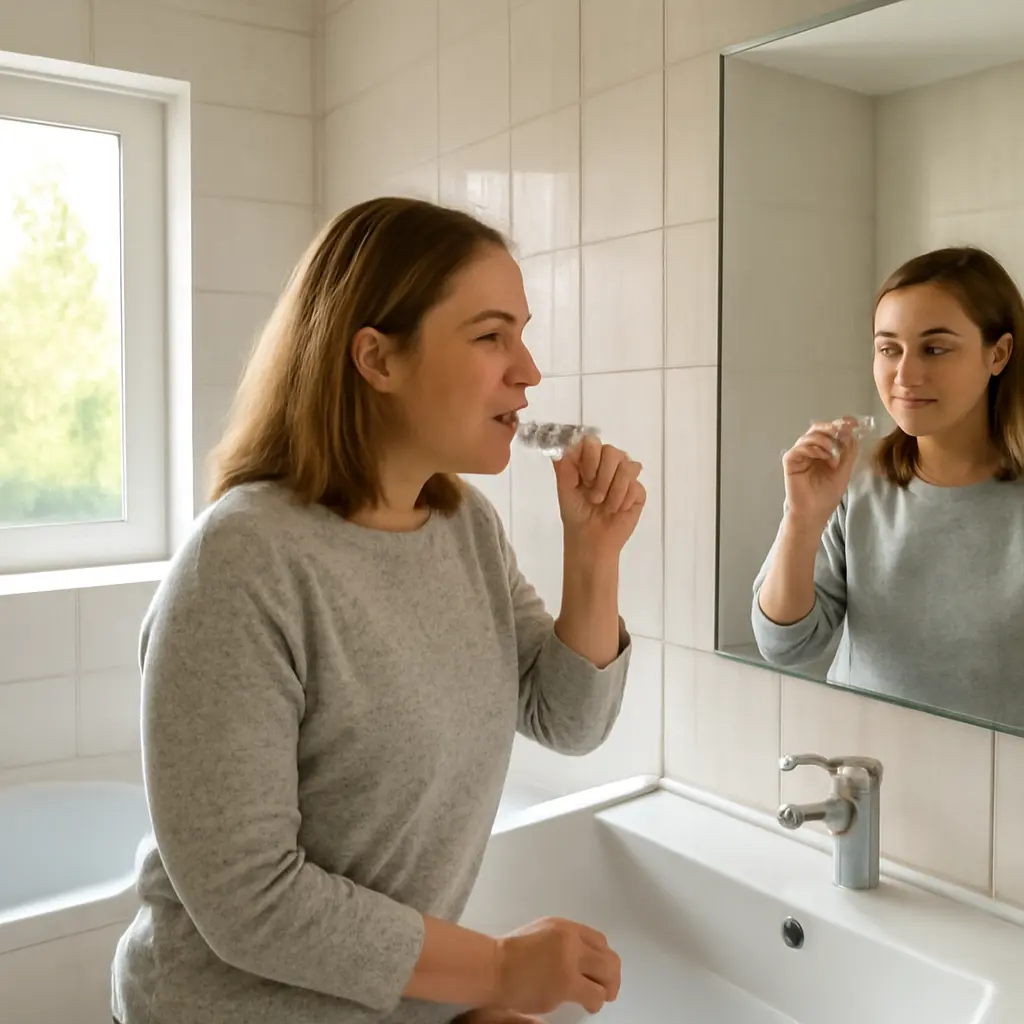
Whitening toothpaste can make teeth look cleaner and brighter, but it usually removes surface stains rather than changing a tooth’s natural color. The American Dental Association (ADA) explains that whitening toothpastes rely mainly on polishing or chemical agents to reduce extrinsic stains; they generally do not bleach teeth as effectively as peroxide-based whitening treatments. Whether one works for you depends on the type of discoloration, the ingredients, and consistent, safe use. Here is how whitening toothpaste works, what results to expect, how it compares with other options, and how to choose and use it without damaging your teeth.
How whitening toothpaste works: surface stain removal
Whitening toothpaste is a toothpaste formulated to reduce or help prevent visible tooth stains. The ADA describes whitening toothpastes as products that may use abrasives or other ingredients to remove surface stains; some also contain peroxide, but typically at lower concentrations and with less contact time than professional whitening products. “Whitening” on a label does not necessarily mean the paste changes the underlying shade of the tooth.
The key distinction is between extrinsic stains, which sit on the enamel surface, and intrinsic discoloration, which occurs within the tooth. Coffee, tea, red wine, tobacco, and some foods can contribute to surface staining. Aging, dental trauma, certain medications, and changes in the tooth’s internal structure can cause deeper discoloration that toothpaste is unlikely to correct.
Abrasives and polishing agents
Abrasives help scrub away the film and deposits that hold surface stains. Common examples include hydrated silica, calcium carbonate, and baking soda. Used as directed, toothpaste abrasives are designed to clean teeth, but aggressive brushing or an overly abrasive product can contribute to wear over time—especially if enamel or exposed root surfaces are already vulnerable. Brush gently with a soft-bristled toothbrush rather than pressing harder to chase a faster result.
Chemical stain-control ingredients
Some formulas use ingredients such as sodium hexametaphosphate to help limit new surface stains, or low levels of peroxide to assist with stain breakdown. Their effect depends on the formulation and the short time toothpaste remains on teeth during brushing. A whitening paste containing fluoride can also help prevent tooth decay; whitening claims do not replace the need to check that a product provides appropriate cavity protection.
What whitening toothpaste usually cannot change
Toothpaste generally cannot lighten crowns, veneers, fillings, or bonding, and it is unlikely to resolve discoloration caused by decay or trauma. Restorations may therefore look different from surrounding natural teeth after whitening. If one tooth darkens, or discoloration appears suddenly, seek a dental evaluation instead of trying to scrub it away.
What results to expect from whitening toothpaste
Whitening toothpaste can improve brightness when the main issue is removable surface staining, but results are usually modest and gradual. It does not typically produce the shade change associated with bleaching treatments. The ADA notes that whitening products vary in ingredients and effectiveness, so the package claim alone cannot predict how much a particular person’s teeth will lighten.
A 2020 review in the Journal of Dentistry examined whitening toothpastes and found that products can reduce extrinsic stains, while results vary by formulation and study methods. That evidence supports a practical expectation: toothpaste may help restore a cleaner appearance, but it is not a reliable solution for every kind of discoloration. There is no universal number of shades or exact timeline that applies to all products and users.
Surface stains versus deeper discoloration
Surface stains are more likely to respond when they come from everyday exposure to staining foods or drinks and have not become firmly established. Deeper yellowing or gray tones may be related to natural tooth color, aging, medication, or injury. A dentist can help identify the cause and explain whether cleaning, bleaching, restorative treatment, or no treatment is appropriate.
Why results differ between people
Starting tooth shade, stain type, brushing technique, product ingredients, and consistency all influence the visible result. Dental restorations and uneven discoloration can also make whitening appear patchy. Professional cleaning may remove hardened deposits that brushing cannot, while a dentist can determine whether persistent stains need a different approach.
Whitening toothpaste compared with other whitening options
Whitening toothpaste is one option in a broader set of stain-removal and bleaching methods. Tooth cleaning removes plaque and some external staining; bleaching products use peroxide to lighten natural tooth color. These approaches are not interchangeable, and the right choice depends on the cause of discoloration and a person’s oral health.
Professional dental cleaning
A professional cleaning removes plaque and hardened tartar, and can polish away some surface stains. It is not the same as bleaching: a cleaning can reveal a tooth’s natural shade but does not usually lighten the tooth’s internal color. Regular checkups also let a dental professional identify decay, gum disease, or other problems before whitening is considered.
Over-the-counter peroxide products
Whitening strips, gels, and some rinses may contain hydrogen peroxide or carbamide peroxide. Unlike toothpaste, these products are intended to keep a bleaching ingredient in contact with teeth for longer. Follow the product directions, and ask a dentist first if you have sensitive teeth, gum irritation, untreated dental problems, or visible restorations in the area you want to whiten.
Dentist-supervised whitening
Dentists can assess the cause of discoloration and recommend in-office or take-home whitening suited to the patient. Professional guidance is especially useful when teeth are sensitive, restorations are present, or discoloration is uneven. Whitening is not appropriate for every person or every stain, so an examination can help avoid treating a problem that needs a different solution.
Safety, sensitivity, and choosing a product
Used as directed, a fluoride whitening toothpaste is generally a practical option for routine oral hygiene, but whitening does not make a product risk-free. Abrasive formulas and forceful brushing can aggravate sensitivity or wear, while peroxide products may temporarily irritate teeth or gums. The ADA Seal of Acceptance can help consumers identify products that meet the ADA’s requirements for safety and effectiveness when used according to directions.
Check for fluoride and reputable product claims
Choose a toothpaste with fluoride for cavity prevention unless a dental professional has advised otherwise. In the United States, look for the ADA Seal where available and read the active ingredients and directions. Avoid products that promise dramatic or instant changes from ordinary brushing; a toothpaste cannot safely produce the same type of bleaching effect as a properly used peroxide treatment.
Reduce the risk of sensitivity and enamel wear
Brush twice daily for two minutes with a soft-bristled brush, using gentle pressure. Do not use whitening toothpaste more often than directed or combine multiple whitening products without professional advice. If sensitivity, gum discomfort, or irritation develops, stop the whitening product and consult a dentist if symptoms persist. People with enamel erosion, exposed roots, or a history of sensitivity should ask a dental professional which formula is suitable.
When to consult a dentist first
Get dental advice before whitening if you are pregnant or breastfeeding, have untreated cavities or gum disease, have significant sensitivity, or have crowns, veneers, fillings, or bonding in the visible area. A dentist can also assess a single dark tooth, white or brown patches, or discoloration that does not improve with cleaning. Such changes may need diagnosis rather than cosmetic treatment.
How to get the best practical result
For everyday surface stains, use whitening toothpaste as part of a consistent oral-care routine—not as a substitute for dental visits or a shortcut to dramatic bleaching. Limiting frequent exposure to staining drinks, rinsing with water after them, and avoiding tobacco can help reduce new stains. These habits support oral health as well as appearance.
- Choose a fluoride toothpaste with a credible safety or effectiveness indication, such as the ADA Seal when available.
- Brush gently for two minutes twice a day, following the product label.
- Give the product time to address surface staining, while keeping expectations modest.
- Arrange a dental cleaning or consultation if stains persist, discoloration is unusual, or you want a more noticeable change.
A simple comparison chart could show the main distinction: whitening toothpaste primarily targets surface stains; professional cleaning removes deposits and some external stains; peroxide products bleach natural tooth structure to a greater degree. The chart should also note that none of these options changes the color of existing crowns, veneers, or fillings.
Conclusion: whitening toothpaste works best for surface stains
Whitening toothpaste can help remove or control external stains and make teeth look cleaner, but it usually does not substantially change their natural underlying shade. Its performance depends on the stain, ingredients, and brushing habits; peroxide-based products or dentist-supervised care may be more appropriate for deeper discoloration. Choose a fluoride product, use it gently as directed, and consult a dentist for sensitivity, unusual color changes, or a larger whitening goal. For further guidance, review the ADA’s consumer information on whitening and discuss your options at your next dental appointment.
Sources: American Dental Association, Whitening, https://www.ada.org/resources/ada-library/oral-health-topics/whitening; American Dental Association, Toothpastes, https://www.ada.org/resources/ada-library/oral-health-topics/toothpastes; American Dental Association, ADA Seal of Acceptance, https://www.ada.org/resources/ada-library/oral-health-topics/ada-seal-of-acceptance; Joiner A, Luo W, Tooth colour and whiteness: A review, Journal of Dentistry, 2020, https://doi.org/10.1016/j.jdent.2019.103413.