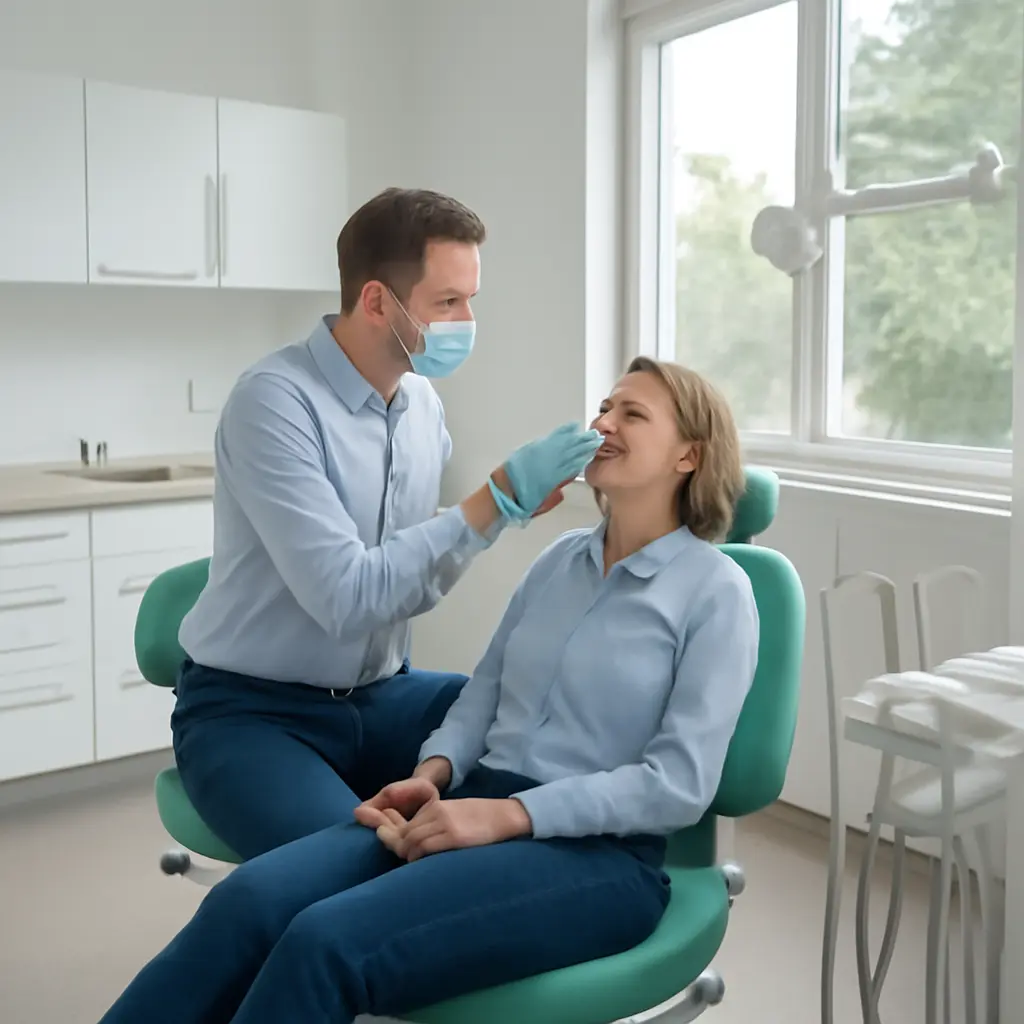
Professional teeth whitening is a cosmetic dental treatment that lightens natural tooth color using bleaching agents such as hydrogen peroxide or carbamide peroxide. Before a first session, common mistakes include skipping a dental checkup, expecting instant or uniform results, and ignoring preparation instructions. These missteps matter: the American Dental Association (ADA) notes that whitening can cause temporary tooth sensitivity and gum irritation, and existing dental problems may need attention first. Knowing what to disclose, what to avoid, and what results are realistic can make treatment safer and more comfortable.
Preparation mistakes that affect a first teeth-whitening session
A first whitening appointment is easier to plan when patients understand what the procedure can—and cannot—change. The ADA describes tooth whitening as a process that uses bleaching substances to lighten tooth color; it does not mean every stain, restoration, or cause of discoloration will respond in the same way. The main preparation errors fall into three connected groups: overlooking oral-health concerns, arriving without following the provider’s instructions, and making assumptions about results or aftercare.
Skipping an oral-health assessment
Whitening should not be treated as a substitute for an examination. Untreated cavities, gum inflammation, exposed roots, cracked teeth, and worn enamel can affect comfort and may need evaluation before bleaching. The ADA advises consulting a dentist before using whitening products, particularly when a person has dental restorations or oral-health concerns.
A professional assessment also helps identify the source of discoloration. Surface stains from foods, drinks, or tobacco may respond differently from color changes inside a tooth. Crowns, veneers, fillings, and bonding do not whiten like natural enamel, so whitening can leave a mismatch between natural teeth and restorations. Patients should tell the dentist about sensitivity, recent dental work, medications, and any history of gum or tooth problems before treatment begins.
Assuming whitening is appropriate for everyone
Whitening may not be suitable for every person or every tooth. The ADA recommends professional guidance, while the National Health Service (NHS) advises that teeth and gums should be healthy before whitening and that treatment should be provided by a dental professional. People who are pregnant or breastfeeding, as well as children, should seek individualized advice rather than starting a cosmetic whitening treatment on their own.
This is why a consultation is more than a formality: it can distinguish a cosmetic concern from a condition that needs treatment. If discoloration is concentrated in one tooth or appeared suddenly, the dentist may want to assess the cause before recommending bleaching.
Pre-session habits that can undermine comfort and results
Once suitability has been considered, practical preparation becomes the next priority. Patients sometimes arrive with irritated gums, fail to share relevant information, or try to “boost” results with extra whitening products. These choices can make a session less comfortable without making the outcome more predictable.
Ignoring the provider’s instructions
Pre-appointment instructions vary by treatment, so patients should follow the clinic’s guidance rather than relying on general tips. Tell the provider about tooth sensitivity, allergies, gum irritation, recent dental procedures, and any whitening products used recently. If brushing or flossing causes bleeding or discomfort, mention it instead of trying to conceal the problem.
Patients should also ask whether they need a cleaning beforehand. A cleaning may remove surface deposits, but whitening does not replace routine dental care. Conversely, do not arrange extra procedures or use strong whitening products immediately before the appointment unless the dentist specifically advises it.
Using multiple whitening products before the visit
Combining whitening strips, trays, toothpastes, or other bleaching products in an attempt to speed up results is a common mistake. The ADA identifies tooth sensitivity and gum irritation among potential adverse effects of bleaching. Using products more often or for longer than directed can increase irritation; it does not guarantee a whiter result.
Bring the product packaging or tell the dentist what you have used and when. This gives the provider useful context for choosing an appropriate treatment plan and deciding whether it makes sense to proceed as scheduled.
Expecting one session to create a perfect, permanent shade
Whitening results vary with the original tooth color, the cause of staining, the treatment method, and individual response. A single session may lighten teeth, but it cannot promise an identical shade across every tooth or a permanent result. Existing restorations will not change color with bleaching, and some types of discoloration may respond less predictably.
Before treatment, ask the dentist what outcome is realistic, how sensitivity will be managed, and whether follow-up or maintenance may be appropriate. Agreeing on expectations can help avoid disappointment and reduce the temptation to overuse products later.
Common first-visit mistakes about timing and aftercare
Planning does not end when the appointment is booked. Timing the session around an important event and understanding possible short-term effects can help patients make a more informed choice. Whitening-related sensitivity is often temporary, but individual experiences differ, and the treating dental professional should guide care if symptoms occur.
Scheduling too close to a major event
Booking a first session immediately before a wedding, photograph, or public appearance leaves little room to address unexpected sensitivity or irritation. Because responses vary, consider discussing timing with the dentist and leaving a buffer before an important event. Do not assume that the first appointment will produce a specific shade by a specific date.
Forgetting to ask about sensitivity and food or drink guidance
Patients may leave without knowing what to do if their teeth feel sensitive or their gums become irritated. Ask the provider what symptoms are expected, what steps are appropriate, and when to contact the clinic. Follow the specific aftercare instructions supplied for the treatment rather than treating popular “white diet” advice as a universal rule.
It can also help to ask whether usual oral-care products should be changed temporarily and when normal eating and drinking can resume. If discomfort is severe, persistent, or accompanied by other concerning symptoms, contact the dental professional instead of repeating treatment or adding another whitening product.
A practical checklist before professional whitening
Use this checklist to avoid the most common preparation errors:
- Arrange or confirm a dental assessment, especially if you have untreated problems, sensitivity, or gum concerns.
- Tell the dentist about restorations, medications, allergies, pregnancy or breastfeeding, and recent dental work.
- List any whitening products you have used and do not combine treatments unless the provider approves.
- Ask what shade change is realistic, whether restorations may look different afterward, and how sensitivity will be handled.
- Follow the clinic’s pre- and post-treatment instructions, and avoid scheduling too close to an important event when possible.
Conclusion: safer decisions start before the whitening appointment
The most common first-session mistakes are skipping an oral-health assessment, withholding relevant information, layering whitening products, and expecting immediate, uniform, permanent results. A dentist can assess whether bleaching is appropriate, explain how restorations and different stains may respond, and provide guidance for sensitivity and aftercare. Before booking, arrange a consultation, share your dental history, and ask clear questions about likely results and risks. For further reading, consult the ADA and NHS guidance on tooth whitening and discuss your individual circumstances with a qualified dental professional.
Sources: American Dental Association, Whitening, https://www.ada.org/resources/ada-library/oral-health-topics/whitening; National Health Service, Teeth whitening, https://www.nhs.uk/conditions/teeth-whitening/