
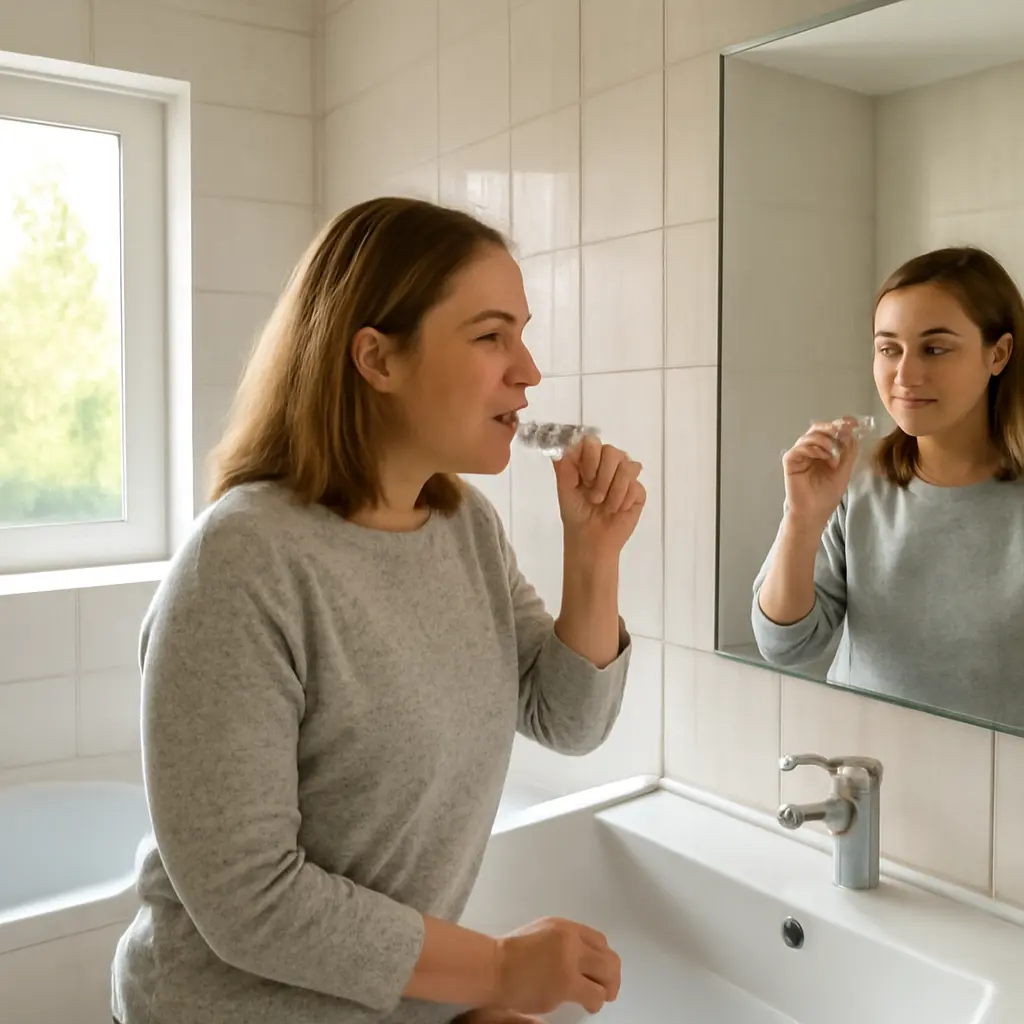
Professional teeth whitening can brighten a smile, but maintaining the result depends on simple habits that limit new stains and protect oral health. Whitening investment here means the time and money spent on bleaching—not a guarantee of permanent color. The American Dental Association (ADA) notes that whitening results vary, and surface stains can return; consistent brushing with fluoride toothpaste, daily cleaning between teeth, sensible choices around staining foods and drinks, and dentist-guided touch-ups can help preserve results. These routines matter because whitening products do not prevent cavities or replace regular dental care.
Daily habits protect whitening results
Whitening maintenance is the set of everyday oral-care and lifestyle practices used to reduce new discoloration after bleaching. The ADA’s guidance on tooth whitening emphasizes that products and outcomes differ, so maintenance should support—not intensify—treatment. Teeth can appear stained when pigments from foods and drinks collect on the tooth surface; intrinsic discoloration, which occurs within tooth structure, may respond differently and should be assessed by a dental professional.
A practical routine combines mechanical cleaning, fluoride protection, and stain-aware choices. These measures address different causes: brushing and interdental cleaning remove plaque and debris, while limiting repeated exposure to dark pigments reduces opportunities for surface staining. No routine can promise a fixed shade or stop all natural color change.
Brush gently with fluoride toothpaste
Brush twice daily for two minutes with a soft-bristled toothbrush and fluoride toothpaste. Fluoride helps prevent tooth decay; it is not a bleaching agent, but keeping teeth clean and healthy supports the appearance of a whitening result. The Centers for Disease Control and Prevention (CDC) recommends brushing twice a day with fluoride toothpaste. Use gentle pressure: aggressive brushing can irritate gums and wear tooth surfaces over time, rather than making teeth whiter.
Clean between teeth every day
Floss or use another interdental cleaner daily to remove plaque and food particles from spaces a toothbrush may miss. This routine helps maintain gum health and a clean-looking smile, although it does not bleach the tooth’s internal color. The ADA recommends cleaning between teeth once a day; a dentist or hygienist can suggest an appropriate tool if floss is difficult to use.
Stain-aware choices reduce avoidable discoloration
Stain management means reducing frequent or prolonged contact with strongly pigmented substances while keeping a balanced diet. Coffee, tea, red wine, and tobacco are commonly associated with tooth discoloration, but avoiding every potentially staining food is not necessary for everyone. The more useful goal is to notice personal patterns and avoid repeatedly sipping or holding staining drinks in the mouth.
Rinse with water after dark drinks
After coffee, tea, or other dark beverages, drinking or rinsing with water can help clear residue from the mouth. Water does not reverse a stain or replace brushing, but it is a low-effort way to reduce lingering contact. For acidic drinks, the ADA advises waiting before brushing because enamel may be temporarily softened; rinsing with water first and brushing later is a gentler approach.
Limit tobacco and repeated sipping
Tobacco can discolor teeth and also harms oral and general health. Quitting is more beneficial than relying on whitening to address tobacco stains. If you drink staining beverages, having them with a meal rather than sipping continuously may reduce the time teeth are exposed. A straw may reduce contact for some drinks, but it does not eliminate staining risk or protect against the effects of sugar and acid.
Safe touch-ups preserve results without overuse
A touch-up is a limited repeat application of a whitening product after the initial treatment. It should follow the product label or a dentist’s instructions, not a self-created schedule. The ADA cautions that whitening can cause temporary tooth sensitivity or gum irritation, and using products more often or for longer than directed can increase discomfort without guaranteeing a better result.
Follow product directions and dentist guidance
Use only whitening products intended for teeth, and follow stated contact times and frequency. If sensitivity or gum irritation develops, stop or pause treatment and ask a dentist how to proceed. The ADA Seal of Acceptance can help consumers identify products that have met the ADA’s safety and effectiveness criteria, but it does not replace individualized dental advice.
Check dental work before whitening
Whitening agents change natural tooth color but do not lighten crowns, veneers, fillings, or other restorations in the same way. This can create a color mismatch. A dental examination is especially important when discoloration is sudden, affects one tooth, or appears alongside pain, trauma, or gum changes; the cause may need treatment rather than cosmetic whitening.
A simple routine makes maintenance easier
The following checklist turns whitening maintenance into ordinary oral care rather than a cycle of frequent bleaching:
- Brush for two minutes twice a day with fluoride toothpaste and a soft-bristled brush.
- Clean between teeth once a day.
- Drink water after staining or acidic beverages, and avoid prolonged sipping when practical.
- Do not smoke or use tobacco; seek support to quit if needed.
- Use whitening products only as directed, and consult a dentist before touch-ups if you have sensitivity, restorations, or oral-health concerns.
There is no universal maintenance interval because whitening methods, starting tooth color, habits, and dental conditions differ. A dentist can help distinguish surface staining from other causes and recommend whether a touch-up is appropriate.
Conclusion
Daily fluoride brushing, cleaning between teeth, stain-aware choices, and cautious dentist-guided touch-ups are the core routines for protecting a whitening result. They support oral health while limiting avoidable surface discoloration, but they cannot make bleaching permanent or guarantee a particular shade. Keep the routine simple, follow product directions, and ask a dental professional before repeating treatment—especially if you experience sensitivity or have dental restorations.
Sources: American Dental Association, Whitening, https://www.ada.org/resources/ada-library/oral-health-topics/whitening; American Dental Association, Home Oral Care, https://www.ada.org/resources/ada-library/oral-health-topics/home-care; Centers for Disease Control and Prevention, Oral Health Tips, https://www.cdc.gov/oral-health/prevention/oral-health-tips.html


