Professional supervision can reduce avoidable risks during tooth whitening, but it does not make whitening risk-free or guarantee that enamel will remain unchanged. A dentist can check for cavities, cracks, gum recession, restorations, and other factors that affect treatment choice, then select and monitor an appropriate whitening method. Evidence generally finds that sensitivity and gum irritation are the most common side effects and are usually temporary; research does not show that properly used, dentist-directed whitening routinely causes clinically important, permanent enamel loss. The distinction matters: supervision helps protect oral health by screening and managing risk, while the whitening agent itself—not the presence of a dentist—determines much of the tooth’s exposure.
Professional supervision and tooth-structure protection
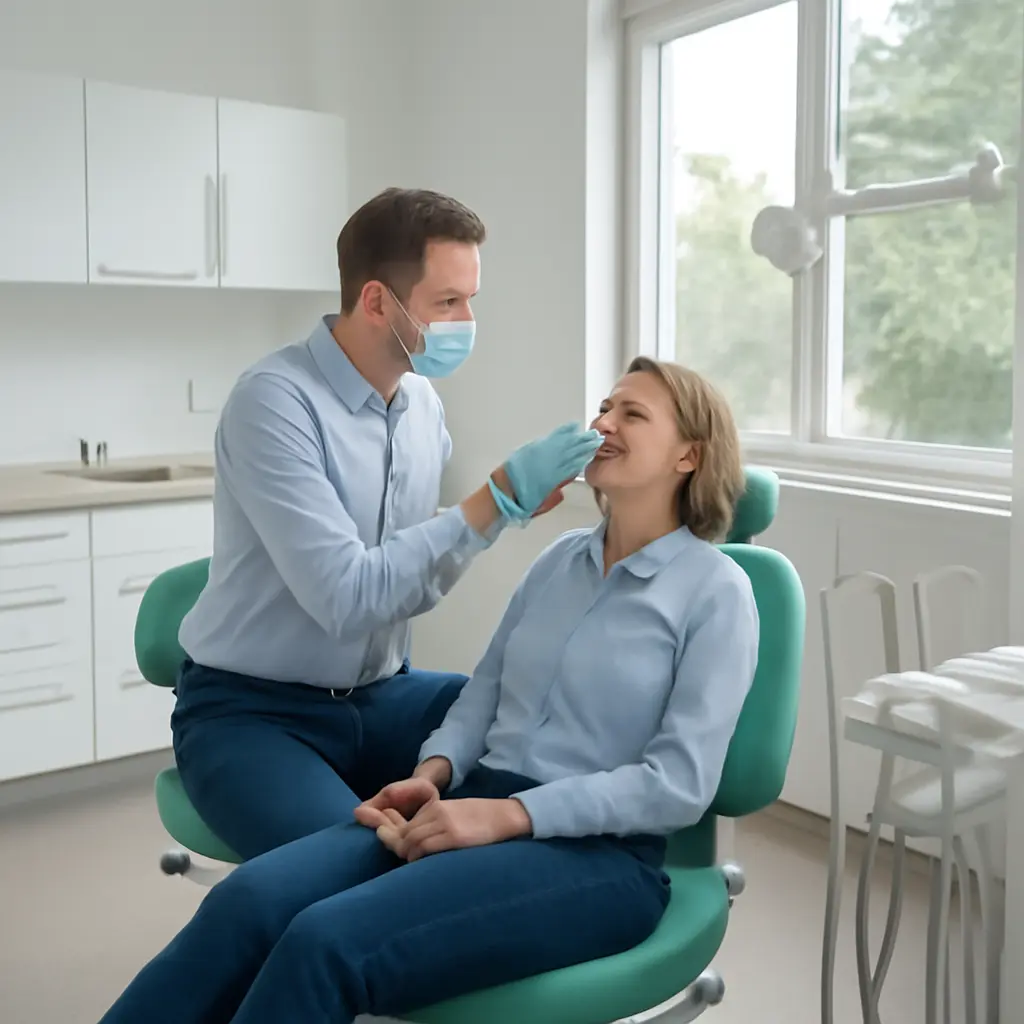
Professional supervision means a dentist assesses a patient’s oral health, recommends or provides a whitening approach, and gives instructions or follow-up appropriate to the treatment. The American Dental Association describes vital-tooth whitening as treatment with peroxide-based products, delivered in-office or through dentist-supervised take-home systems. Supervision is therefore a process of diagnosis and risk management, not a protective coating that prevents chemical contact with teeth.
Tooth structure includes enamel, the hard outer covering of the crown, and dentin beneath it. Whitening primarily changes colored molecules within the tooth; it is not intended to remove enamel. Laboratory research has reported changes in enamel surface properties under some conditions, especially with high concentrations, prolonged exposure, or acidic formulations. However, laboratory findings do not automatically establish lasting clinical damage, and results vary with the product, exposure, and study method.
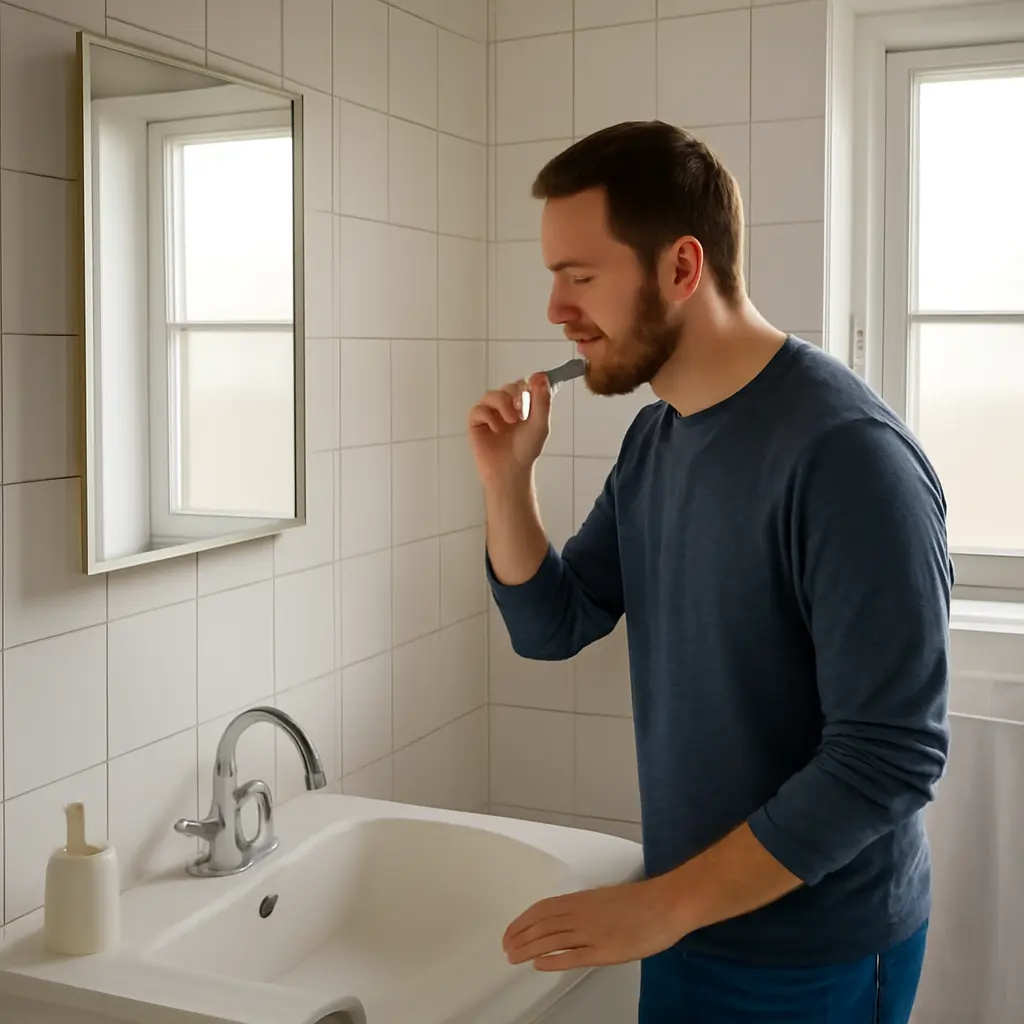
The distinction between chemical whitening and abrasive stain removal is important. Peroxide bleaching changes the color of tooth pigments; abrasive toothpastes or polishing act on surface deposits and can contribute to wear if used excessively or aggressively. Neither professional supervision nor a “natural” label makes an unsuitable product harmless.
What supervision can prevent—and what it cannot
A dental examination can identify conditions that whitening will not fix and that may make treatment uncomfortable or inappropriate. These include untreated decay, leaking restorations, exposed root surfaces, gum inflammation, cracks, and pre-existing sensitivity. A dentist can also explain that crowns, fillings, veneers, and bonding do not bleach like natural teeth, so whitening may leave a mismatch.
Supervision cannot guarantee zero sensitivity, stop every temporary change in enamel measurements, or make bleaching suitable for everyone. It also cannot whiten restorations or reverse the effects of excessive use. Its practical value is in choosing a suitable product and schedule, limiting avoidable exposure, protecting soft tissues where needed, and responding if symptoms develop.
Whitening methods and their effects on teeth
Whitening methods differ in peroxide concentration, contact time, delivery, and oversight. Those differences help explain why professional supervision may improve safety without proving that every professionally delivered treatment is safer than every correctly used over-the-counter product. The American Dental Association notes that both dentist-supervised and consumer whitening products are available, while emphasizing the importance of following product directions and seeking dental advice when oral health concerns exist.
In-office whitening
In-office whitening uses a dentist-applied bleaching agent, often at a higher concentration than products intended for unsupervised home use. The clinician can isolate the gums, control where the gel is placed, and monitor the patient during treatment. Higher concentration can produce faster color change, but it may also increase short-term sensitivity or soft-tissue irritation; professional delivery should not be interpreted as proof of no risk.
The European Commission’s Scientific Committee on Consumer Safety has assessed hydrogen peroxide concentrations in oral whitening products, reflecting the importance of concentration and exposure in evaluating safety. Regulations differ by jurisdiction, so patients should ask which active ingredient and concentration are being used and whether the treatment complies with local rules.
Dentist-supervised take-home trays
Custom take-home trays deliver bleaching gel over repeated sessions, usually at a lower concentration than many in-office protocols. A dentist can fit the trays, tailor instructions, and advise how to respond to sensitivity. Correct fit matters because excess gel can spill onto the gums, causing irritation, while overfilling or extending treatment beyond instructions can increase exposure without guaranteeing a better result.
A systematic review by de Geus and colleagues comparing at-home and in-office bleaching found that both approaches can whiten teeth, with tooth sensitivity among the most frequently reported adverse effects. Such reviews compare treatment outcomes across studies; they do not establish that supervision eliminates enamel change or that one protocol is best for every patient.
Over-the-counter strips, gels, and whitening toothpastes
Over-the-counter strips and gels commonly use peroxide in standardized formats, while whitening toothpastes primarily remove external stains through cleaning and polishing ingredients. Strips can whiten natural teeth when used as directed, but they may not fit every mouth evenly and can irritate gums. Whitening toothpaste may help with surface staining but generally does not produce the same bleaching effect as peroxide products.
The ADA Seal of Acceptance is awarded to eligible products that meet the program’s safety and efficacy criteria, but a seal does not replace an individual dental assessment. People with sensitivity, gum disease, exposed roots, extensive restorations, or untreated dental problems should consult a dentist before starting a whitening regimen.
Evidence on enamel, sensitivity, and lasting harm
The central evidence-based answer is qualified: whitening can cause temporary sensitivity and soft-tissue irritation, while evidence of clinically significant permanent damage from appropriately used products is limited. A 2018 review in the Journal of Evidence-Based Dental Practice by Carey describes hydrogen peroxide whitening as generally safe when used according to directions, while noting that sensitivity and gingival irritation are common adverse effects. “Generally safe” does not mean risk-free, and individual response varies.
Enamel surface changes in laboratory studies
Laboratory studies sometimes report altered enamel roughness, mineral content, or hardness after bleaching. These findings depend on factors such as the product’s pH, peroxide concentration, exposure duration, storage conditions, and whether the samples receive saliva-like remineralization. In-mouth conditions differ: saliva, acquired pellicle, and normal oral processes can affect the tooth surface, so laboratory measurements should be interpreted cautiously rather than treated as direct proof of permanent clinical damage.
This is one reason clinicians consider both the formulation and the patient. Neutral or near-neutral products, directions that limit exposure, and appropriate intervals between treatments are relevant considerations. Patients should not assume that more frequent or longer bleaching will produce a safer or more durable result.
Sensitivity and gum irritation
Tooth sensitivity is a brief pain response to triggers such as cold air or drinks. Whitening-related sensitivity is thought to involve peroxide moving through enamel and dentin and temporarily affecting the tooth’s nerve response. Gum irritation can occur when gel contacts soft tissue. Both effects are typically temporary, but persistent or severe pain warrants stopping treatment and contacting a dentist.
A dentist may recommend reducing the frequency or duration of treatment, pausing until symptoms settle, or using a desensitizing toothpaste. These adjustments manage symptoms; they do not justify continuing through significant pain. The Cochrane review of tooth whitening found that adverse effects, particularly sensitivity and oral irritation, were reported across bleaching approaches, while also noting limitations in the certainty and comparability of the available trials.
Overuse and unsupervised remedies
Repeated bleaching beyond directions increases cumulative exposure and may make sensitivity or gum irritation more likely. DIY methods such as applying household acids, undiluted peroxide, or abrasive powders are not equivalent to tested dental products. Acidic substances can soften tooth surfaces, and aggressive abrasion can wear them; a dentist’s oversight is particularly valuable when a person is considering repeated treatment or has existing oral problems.
How to reduce risk while whitening
The most useful protective steps are straightforward: have dental problems assessed first, choose a product intended for teeth, follow its directions, and stop if symptoms become significant. Professional supervision is especially prudent when the cause of discoloration is uncertain, when restorations are visible, or when a patient has a history of sensitivity.
Before treatment
Ask the dentist to check for decay, cracks, gum recession, and existing restorations, and to explain likely results. Some stains respond less predictably to bleaching, and discoloration may signal a problem that needs diagnosis rather than cosmetic treatment. Whitening is generally not recommended during pregnancy or breastfeeding because safety evidence is insufficient, and children should not use bleaching products without professional advice.
During and after treatment
Use only the recommended amount and schedule. Do not add extra gel, combine multiple whitening products, or extend treatment to chase a particular shade. If sensitivity or gum irritation occurs, pause and seek advice if it is severe, worsening, or does not resolve. Maintain routine brushing with fluoride toothpaste and regular dental care; whitening does not replace oral hygiene.
Conclusion: supervision lowers avoidable risk, not all risk
Professional supervision protects tooth structure mainly through screening, product selection, controlled application, and timely response to side effects. It does not guarantee that whitening will cause no sensitivity or measurable surface change. Available evidence indicates that properly used whitening is generally considered safe for many adults, with temporary sensitivity and gum irritation the most commonly reported problems; permanent, clinically important enamel damage has not been established as a routine outcome of appropriate use.
For anyone considering whitening, the sensible next step is to ask a dentist whether the discoloration is suitable for bleaching, which product and schedule fit the person’s oral health, and how to handle sensitivity. That conversation is particularly important before treating existing dental problems or using repeated whitening courses.
Sources: American Dental Association, Whitening, https://www.ada.org/resources/ada-library/oral-health-topics/whitening; Carey CM, “Tooth Whitening: What We Now Know,” Journal of Evidence-Based Dental Practice, 2018, https://doi.org/10.1016/j.jebdp.2018.02.006; de Geus JL et al., “At-home vs In-office Bleaching: A Systematic Review and Meta-analysis,” Operative Dentistry, 2016, https://doi.org/10.2341/15-287-L; European Commission Scientific Committee on Consumer Safety, Opinion on Hydrogen Peroxide in Tooth Whitening Products, https://health.ec.europa.eu/scientific-committees/scientific-committee-consumer-safety-sccs_en; Cochrane Oral Health, Home-based Chemically-induced Whitening of Teeth in Adults, https://doi.org/10.1002/14651858.CD006202.pub2.